Moving Quote Red Flag Analyzer: Review Your Estimate Before Booking

Check What Is Included in Your Moving Quote

A moving quote may look affordable at first, but important charges can sometimes be missing or unclear. The Moving Quote Red Flag Analyzer helps customers review a moving estimate before paying a deposit or hiring a mover.

Users can paste the moving quote, enter the total price and deposit amount, and select whether the estimate is binding, non-binding, written, or verbal. The tool also checks whether extra charges, delivery dates, and company details are clearly mentioned.

Understand Binding and Non-Binding Estimates

A binding estimate usually provides a fixed price based on the services and inventory listed in the agreement. A non-binding estimate is an approximate cost and may change depending on the actual weight, services, or conditions of the move.

Customers should understand which type of estimate they are receiving before signing. They should also ask what circumstances may increase the final price.

The Moving Quote Red Flag Analyzer helps customers notice when the estimate type is missing or unclear.

Identify Hidden Fees and Risky Terms

Unclear moving estimates can result in unexpected charges on moving day or delivery day. The analyzer looks for warning signs such as:

  • Large upfront deposits
  • Verbal quotes without written terms
  • Vague additional-charge wording
  • Missing delivery dates
  • Unlisted packing or fuel fees
  • Missing USDOT or company information
  • Pressure to book immediately
  • Cash-only or risky payment requests

After reviewing the details, the tool provides a safety score, risk rate, warning signs, and positive signs found in the quote.

Check the Deposit and Payment Terms

A reasonable deposit may be required to reserve a moving date, but customers should be cautious when a company asks for a large percentage of the total price before the move.

The quote should clearly explain:

  • Deposit amount
  • Remaining payment balance
  • Accepted payment methods
  • Refund conditions
  • Cancellation policy
  • When the final payment is due

Avoid making large cash payments without receiving a proper receipt and written agreement.

Compare the Quote Before Making a Payment

Customers should never select a mover only because the estimate is cheaper than every other offer. An unusually low price may not include all necessary services.

A safer quote should clearly explain:

  • Transportation charges
  • Packing and unpacking services
  • Fuel and travel fees
  • Stair or elevator charges
  • Long-carry fees
  • Storage costs
  • Heavy-item handling
  • Pickup and delivery windows
  • Cancellation conditions
  • Insurance or valuation options

Compare at least two or three estimates and ask the moving company to explain anything that is unclear.

Conclusion: A Clear Quote Supports a Safer Move

The Moving Quote Red Flag Analyzer helps customers recognize unclear terms, large deposits, missing services, and possible hidden costs before signing a moving agreement.

Taking a few minutes to review the estimate can help prevent unexpected charges and improve the moving experience.

Use the analyzer together with written estimates, license checks, customer reviews, and complete moving documents before booking a mover.


Mover Scam Checker: Identify Moving Company Warning Signs

Choosing the wrong moving company can lead to unexpected charges, delayed delivery or damaged belongings. The Mover Scam Checker helps customers review common warning signs before booking a mover.

What Is the Mover Scam Checker?

The Mover Scam Checker is a free online tool that evaluates basic information about a moving company.

You can enter the company name, add the USDOT number when available and answer a few questions about the mover.

Check the Mover’s Basic Information

Before booking a moving company, enter its business name and USDOT number, when available, into the Mover Scam Checker. The tool also asks whether the company provided a written estimate and whether its business address can be verified. These details can help customers identify information that requires further investigation.

1. Did You Receive a Written Estimate?

A professional mover should provide a clear written estimate explaining the expected charges.

2. Is the Deposit Reasonable?

Be careful when a company requests a large upfront payment, especially by cash or an untraceable payment method.

3. Is the Quote Extremely Low?

A quote that is much cheaper than other estimates may not include all moving charges.

4. Can You Verify the Business Address?

Check whether the mover has a real office address, working phone number and clear company information.

5. Does the Company Provide License Details?

Interstate movers should provide valid registration information, including a USDOT number when required.

Review Common Moving Scam Red Flags

The checker looks for warning signs such as a large upfront deposit, an unusually cheap quote, no written estimate, an unverifiable address, or unmarked moving trucks. After reviewing your answers, the tool displays a low, medium, or high scam-risk result. Several warning signs may indicate that you should research the company more carefully before booking.

Take Extra Steps Before Making a Payment

A low-risk result should not be the only reason to trust a moving company. Compare at least three written estimates, verify licensing information, read customer reviews, and carefully review the bill of lading. Avoid signing incomplete documents and keep copies of estimates, receipts, contracts, and payment records.

Conclusion: Research Can Help You Move Safely

The Mover Scam Checker provides a quick way to review common warning signs before hiring a mover. However, it offers general guidance only and does not officially verify that a company is legitimate. Use the result along with independent license checks, reviews, written estimates, and complete moving documents before making your final decision.

Moving Damage Claim Helper: Prepare Your Claim Easily

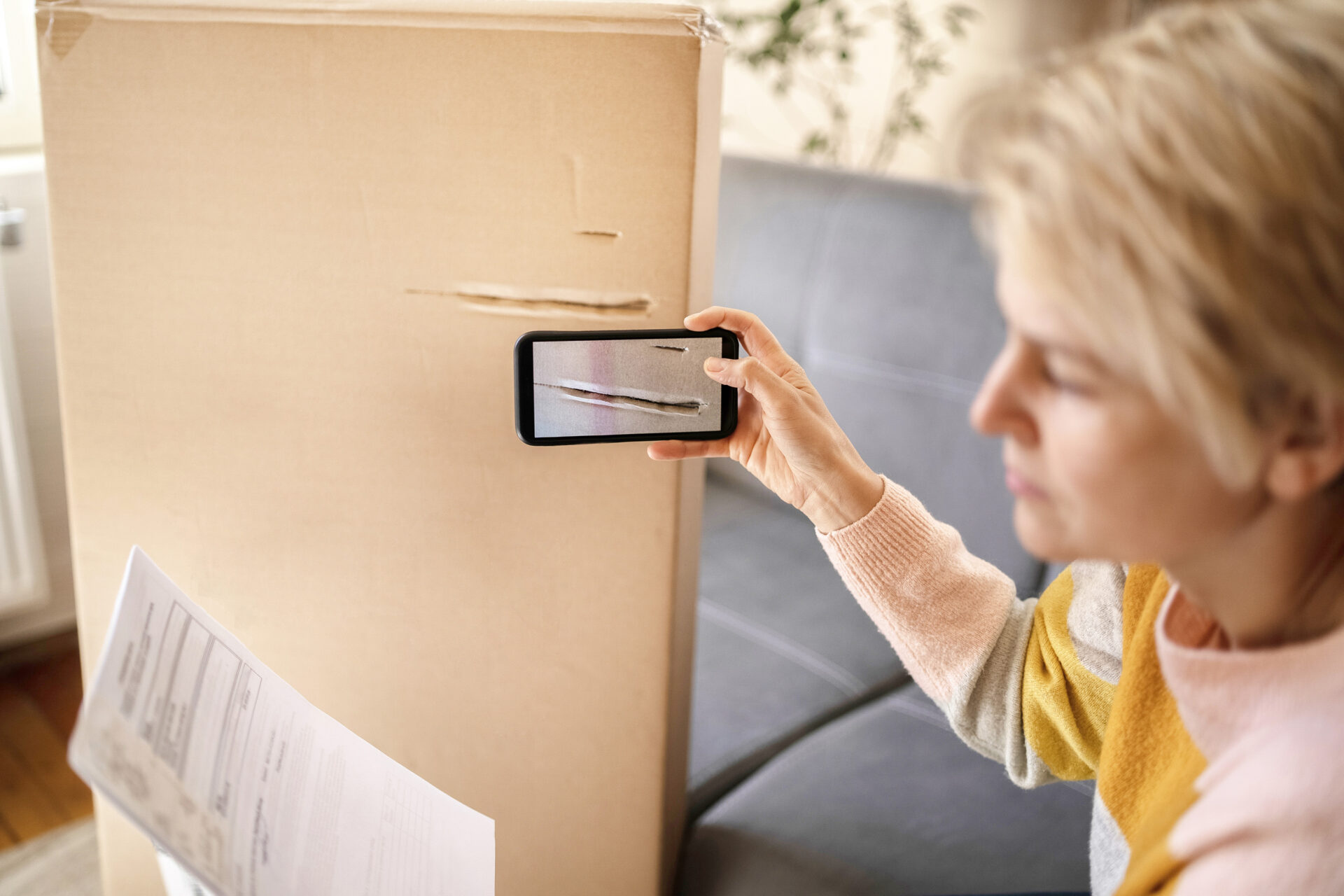
Finding damaged furniture, appliances, or personal belongings after a move can be stressful. Customers may not know what documents are required or how to explain the damage clearly.

The Moving Damage Claim Helper helps organize important claim details before contacting the moving company.

What Information Is Needed?

The tool may ask for:

  • Name of the damaged item
  • Description of the damage
  • Photos of the item
  • Estimated item value
  • Purchase receipt or proof of value
  • Moving contract or bill of lading
  • Date the mover was notified
  • Insurance or valuation coverage

Providing complete information can make the claim easier to review.

Important evidence includes:

  • Clear photos from different angles
  • Photos of the item before the move, when available
  • Purchase receipts or proof of value
  • Moving contract or bill of lading
  • Inventory documents
  • Written communication with the mover
  • A clear description of the damage

Do not repair or discard the damaged item before the mover has reviewed the claim.

Benefits of the Moving Damage Claim Helper

1. Organizes Important Details

The tool keeps damage information, evidence, and moving documents together in one place.

2. Checks Claim Readiness

Customers can see whether important photos, receipts, or documents are missing before submitting the claim.

3. Creates a Clear Claim Message

The tool helps prepare a simple message that customers can send to the moving company.

4. Reduces Claim Delays

Submitting complete and accurate information may help prevent unnecessary delays.

What to Do After Finding Moving Damage

Follow these steps:

  • Photograph the damaged item immediately
  • Check the moving inventory
  • Find the bill of lading and receipts
  • Notify the moving company in writing
  • Keep copies of emails and messages
  • Review your valuation or insurance coverage
  • Ask the mover about its official claim procedure
  • Submit all required documents before the deadline

Avoid relying only on a phone conversation. Written communication creates a useful record of the claim.

Is the Readiness Score a Claim Approval?

No. The readiness score only shows whether the information entered appears complete.

It does not guarantee that the moving company or insurance provider will approve the claim. The final decision depends on the moving agreement, available evidence, valuation coverage, and the mover’s official claim process.

Final Thoughts

The Moving Damage Claim Helper gives customers a simple way to organize evidence after belongings are damaged during a move.

Clear photos, receipts, moving documents, and written notification can make the claim easier to explain. Customers should still follow the moving company’s official procedure and submit all required information on time.

Use the MoverRankings Moving Damage Claim Helper to check your claim readiness and prepare a clear message for the moving company.

Virtual Moving Estimates 2026: How Video Surveys Work

Getting a moving estimate no longer always requires an in-home appointment. In 2026, many moving companies offer virtual moving surveys using video calls, recorded walkthroughs, and uploaded photos.

This method allows movers to review your belongings remotely and prepare a more detailed moving quote.

What Is a Virtual Moving Estimate?

A virtual moving estimate is prepared after a mover inspects your home through a live video call or recorded video.

During the survey, you may be asked to show:

  • Furniture in every room
  • Boxes and storage areas
  • Appliances and fragile items
  • Stairs, elevators, and hallways
  • Large or unusually heavy belongings
  • Items stored in garages or attics

The mover uses this information to estimate the size, weight, labor, and equipment required for the move.

Benefits of Virtual Moving Surveys

1. Saves Time

Customers do not need to schedule an in-person visit. The inspection can often be completed from a phone or tablet.

2. Provides a Better Inventory

A video walkthrough helps the mover see more belongings than a basic phone conversation.

3. Makes Comparing Movers Easier

Customers can request virtual estimates from multiple moving companies before choosing a service.

4. Useful for Long-Distance Moves

Virtual inspections are convenient when the moving company is not located near the customer’s home.

How to Get an Accurate Estimate

For a more accurate quote:

  • Show every room and storage area
  • Open closets, cabinets, and garages
  • Mention items that will not be moved
  • Point out stairs and narrow entrances
  • Show heavy and fragile belongings
  • Ask whether packing is included
  • Request the final estimate in writing

Do not hide or forget large items. Missing belongings may result in additional charges on moving day.

Questions to Ask the Moving Company

Before accepting a virtual estimate, ask:

  • Is the estimate binding or non-binding?
  • Are fuel and travel charges included?
  • Are packing materials included?
  • Are there extra charges for stairs?
  • Can the price change on moving day?
  • Is the company licensed and insured?

A reliable mover should clearly explain the estimate and all possible additional charges.

Final Thoughts

Virtual moving estimates can make it faster and easier to compare moving companies in 2026.

However, customers should still verify the mover, read recent reviews, and request all pricing details in writing. A video estimate should help improve accuracy, but it should not replace careful research.

MoverRankings helps customers compare moving companies, ratings, services, and customer experiences before booking a move.

Local Moving Trends 2026: Why More Americans Are Moving Nearby

Moving trends are changing in 2026. Instead of relocating across the country, many Americans are choosing local moves within the same city, county, or state.

Recent relocation research shows that more than two in five surveyed Americans expect to move during 2026. Younger adults, especially Gen Z, are showing the strongest interest in relocating.

What Is a Local Move?

A local move usually takes place within the same city or a nearby area. It may involve moving to a new apartment, a larger home, a better neighborhood, or a location closer to work.

Local moves are generally easier to organize than long-distance relocations, but choosing a reliable moving company is still important.

Why Are Local Moves Increasing?

Lower Moving Costs

Local moves normally cost less than interstate relocations because the travel distance, fuel expenses, and delivery time are lower.

Affordable Housing

Many people are moving from expensive city centers to nearby suburbs where they may find lower rent, larger homes, and quieter neighborhoods.

Staying Close to Family and Work

A local move allows customers to improve their living situation without leaving their jobs, schools, relatives, or familiar communities.

Remote and Hybrid Work

Flexible working arrangements allow some employees to live farther from their office while remaining within the same metropolitan area.

How to Choose a Local Moving Company

Before booking a local mover:

  • Check customer reviews and ratings
  • Verify licensing and insurance
  • Request a written moving estimate
  • Compare services from multiple companies
  • Ask about additional or hidden charges
  • Confirm the moving date and arrival time

A reliable mover should provide clear pricing, professional communication, and a written agreement.

Local Moving Scam Warning Signs

Be cautious when a moving company:

  • Demands a large cash deposit
  • Has no business address
  • Refuses to provide a written estimate
  • Gives an unusually low quote
  • Has many recent customer complaints
  • Pressures you to book immediately

Low prices may appear attractive, but they can sometimes lead to unexpected charges on moving day.

Final Thoughts

Local moves are becoming a popular choice in 2026 because they can be more affordable, flexible, and convenient.

Even when moving a short distance, customers should research moving companies carefully. Checking mover rankings, reading recent reviews, and comparing written estimates can help make the relocation safer and less stressful.

MoverRankings helps customers compare moving companies and find reliable movers for local and long-distance relocations.

Top Mistakes to Avoid When Hiring a Moving Company

Moving is one of the most stressful experiences for many people, especially when things don’t go as planned. While hiring a moving company is meant to make the process easier, choosing the wrong one can create serious problems such as delays, damaged belongings, hidden charges, and poor service. Many of these issues happen because of simple mistakes that could have been avoided with proper research and planning.

Understanding these common mistakes will help you make smarter decisions and ensure a smooth and hassle-free moving experience.

1.Choosing Based Only on Price

One of the most common mistakes people make is selecting a moving company based only on the lowest price. While it may seem like a good way to save money, very cheap services often come with hidden risks. Some companies may offer low initial quotes but later add unexpected charges for packing, transportation, or delays.

Instead of focusing only on price, it is important to consider overall value. A slightly higher-priced company with good reviews, proper service, and transparency is usually a safer and better choice.

2.Ignoring Reviews and Ratings

Customer reviews provide real-life insights into how a moving company performs. Ignoring them can lead to hiring unreliable or unprofessional movers. Reviews often highlight key details such as punctuality, handling of goods, staff behavior, and hidden charges.

It is also important to look at the number of reviews. A company with many positive reviews is generally more trustworthy than one with only a few. Reading both positive and negative feedback helps you understand the complete picture.

3.Not Verifying Company Credentials

Failing to verify whether a moving company is licensed and insured is a serious mistake. Without proper credentials, there is no guarantee that the company is legitimate or responsible for your belongings.

Always check:

  • Business registration
  • Insurance coverage
  • Physical address and contact details

A verified company ensures accountability and provides protection in case of damage or loss.

How to Choose the Best Moving Company – Complete Guide

Moving to a new home or office can be exciting, but choosing the right moving company is one of the most important decisions you will make. With so many options available, it can be difficult to know which company to trust. That’s where mover ranking platforms help by providing a clear comparison based on real customer reviews and ratings.

A good moving company should offer reliability, safety, and professional service. When looking at a mover rankings page, the first thing you should check is the overall rating of each company. This rating is usually based on customer feedback, which gives you an idea of the company’s service quality. However, it’s also important to look beyond the rating and check the number of reviews. A company with a high rating and many reviews is generally more trustworthy than one with only a few reviews.

Another important factor to consider is transparency. The best mover ranking websites clearly show why a company is ranked in a particular position. This may include average rating, total reviews, and performance score. When this information is clearly displayed, users can make better and more confident decisions.

Modern mover ranking pages also focus on user experience. Clean design, easy navigation, and fast loading speed are essential features. Users should be able to quickly compare companies, view details, and access important information without confusion. Features like filters and sorting options allow users to find companies based on their needs, such as budget, location, or service type.

Visual elements also play a key role. Company logos, badges like “Top Rated” or “Best Value,” and highlighted sections for top performers help users quickly identify the best options. These elements not only improve the look of the page but also make it more engaging and informative.

Trust is another critical factor. Adding verified reviews, customer testimonials, and secure browsing (HTTPS) helps build confidence among users. When people feel safe and informed, they are more likely to choose a service through the platform.

In addition, SEO optimization is important for bringing more visitors to the website. Using proper headings, keywords like “best moving companies,” and structured content helps improve visibility on search engines.

In conclusion, a well-designed mover rankings page is more than just a list of companies. It is a powerful tool that helps users make informed decisions quickly and confidently. By focusing on transparency, user experience, performance, and trust, such platforms can provide real value to anyone planning a move.

1. Experience and Reputation
Choose companies with a strong track record and positive customer feedback. Experienced movers are more likely to handle your belongings safely.

2. Pricing Transparency
Reliable companies provide clear and detailed pricing without hidden charges. Always compare quotes before making a decision.

3. Services Offered
Some companies offer additional services such as packing, storage, and insurance. Selecting a company that meets all your needs can save time and effort.

4. Customer Support
Good communication is essential. A professional company should respond quickly and provide clear information.

How to Move Antiques Safely: The Complete 2026 Expert Guide

Moving antiques safely requires careful planning, proper packing materials, and often the help of professional antique furniture movers. Unlike modern furniture, antiques are fragile, irreplaceable, and often extremely valuable. Whether you are relocating across town or planning a long-distance move, understanding how to move antiques safely can prevent costly damage and preserve your treasured heirlooms for generations. Many people underestimate the risks involved in moving antique furniture, especially pieces with delicate wood finishes, intricate carvings, glass panels, or aged joints that may have weakened over time.

Before packing antiques for moving, it is important to assess their condition and value. High-value antiques should be photographed and documented prior to transport in case you need to file a moving insurance claim. Cleaning each piece gently with a soft microfiber cloth removes dust that could scratch surfaces during wrapping. Avoid harsh chemicals, as older finishes are sensitive and can easily be damaged. When possible, carefully disassemble antique furniture by removing table legs, mirrors, shelves, or detachable components. Wrapping each piece separately reduces stress on fragile joints and prevents cracking during transit.

Using the correct packing materials is essential when moving fragile antiques. Acid-free packing paper should always be the first protective layer, as it prevents discoloration and surface damage. Bubble wrap can be added for cushioning, but it should never be placed directly against delicate finishes without a protective barrier. Thick moving blankets, foam padding, and corner protectors add an extra layer of security. For extremely valuable items, custom crating is often recommended by professional antique movers, especially for long-distance or interstate relocations. Avoid using plastic wrap tightly against wood surfaces for extended periods, as trapped moisture can damage antique finishes.

Proper loading techniques are just as important as packing. Antique furniture should never be stacked under heavy items or placed where it can shift inside the moving truck. Secure pieces upright and use straps to minimize movement. Climate control is another factor to consider when moving antiques safely. Extreme heat, cold, or humidity fluctuations can cause wood to expand, contract, or crack. For valuable collections, climate-controlled moving trucks or storage units may be worth the investment.

Hiring experienced antique furniture movers can significantly reduce risk. Professional moving companies trained in handling antiques understand how to protect delicate surfaces, navigate tight spaces, and transport high-value items securely. They also offer valuation coverage options that provide financial protection if damage occurs. While it may cost more than a standard move, the peace of mind and protection often outweigh the expense when relocating priceless antiques.

Learning how to move antiques safely ultimately comes down to preparation, proper materials, and careful handling. Whether you choose a DIY approach or hire professional movers, taking the time to protect your antique furniture, artwork, and collectibles ensures they arrive at your new home in the same condition they left. When dealing with fragile antiques, caution is not optional—it is essential.

How Mover Rankings Are Calculated: A Transparent Guide for Customers

Choosing a moving company is one of the most important decisions people make during a relocation, and understanding how mover rankings are calculated can make that decision much easier and safer. With so many moving companies advertising online, customers often struggle to separate reliable movers from risky options. Transparent mover rankings help simplify this process by evaluating moving companies based on verified data, customer feedback, and industry compliance rather than marketing claims alone.

Mover rankings are primarily calculated by analyzing a moving company’s licensing and registration status. Legitimate movers must be properly registered with federal or state authorities, such as holding an active DOT number for interstate moves. Movers without valid licenses or with suspended registrations are ranked lower or excluded entirely. This step helps protect customers from unlicensed movers and moving scams that often lead to lost belongings or unexpected charges.

Customer reviews and ratings also play a major role in how moving company rankings are determined. Reviews from real customers provide valuable insight into service quality, professionalism, punctuality, and overall satisfaction. Rankings are influenced not just by star ratings but also by review consistency, review volume, and recent feedback. Movers with long-term positive reviews across multiple platforms tend to rank higher than those with sudden spikes or patterns that suggest fake or manipulated reviews.

Another important factor in calculating mover rankings is complaint history. Complaints filed with consumer protection agencies, regulatory bodies, and public review platforms are carefully evaluated. Repeated issues such as hidden fees, damaged items, delivery delays, or hostage load complaints can significantly impact a mover’s ranking. Companies that respond professionally and resolve disputes responsibly are viewed more favorably than those that ignore or deny customer concerns.

Pricing transparency is also essential when ranking movers. Reliable moving companies provide clear, honest estimates and explain pricing structures upfront. Movers that frequently change prices, add unexpected fees, or refuse to provide written estimates tend to rank lower. Binding and non-binding estimates, clarity in contracts, and accurate quotes all contribute to higher rankings and increased customer trust.

Experience and track record further influence mover rankings. Established moving companies with years of proven service, consistent performance, and a history of handling both local and long-distance moves are generally ranked higher. Experience indicates operational stability and a better understanding of complex moving logistics, which reduces the risk for customers.

Insurance coverage and valuation options are also reviewed during the ranking process. Movers that offer adequate protection for customer belongings and clearly explain coverage options demonstrate professionalism and accountability. Proper insurance policies help ensure customers are protected in case of loss or damage during the move.

By combining licensing verification, customer reviews, complaint analysis, pricing transparency, experience, and insurance coverage, mover rankings provide a reliable and unbiased way for customers to compare moving companies. Understanding how mover rankings are calculated empowers customers to choose trustworthy movers, avoid common moving scams, and make confident relocation decisions based on facts rather than advertising promises.

How to Move With Pets Safely: A Complete Guide for a Stress-Free Move

Moving to a new home can be stressful for people, but it can be even more overwhelming for animals. Learning how to move with pets safely is essential to protecting their health, comfort, and emotional well-being during the relocation process. Pets thrive on routine and familiar environments, so sudden changes caused by packing, noise, and travel can lead to anxiety or unsafe behavior. Whether you are moving locally or long distance, careful planning and preparation can help ensure a smooth and stress-free move with pets.

One of the most important steps when moving with pets safely is preparing them before moving day. Introducing carriers, crates, or travel harnesses early helps pets become comfortable with them. Updating identification tags, microchip information, and veterinary records is critical in case a pet becomes lost during the move. Scheduling a vet visit before relocating is a smart pet moving tip, especially for long-distance moves or pets with health conditions. A calm pet is a safer pet, and maintaining familiar feeding schedules and routines can reduce stress leading up to the move.

Moving day itself can be chaotic, and pets are at risk of escaping or becoming injured if not properly secured. Many experts recommend keeping pets in a quiet, closed room or with a trusted friend while movers load and unload belongings. This is one of the safest moving tips for pets, as it prevents exposure to loud noises, open doors, and heavy furniture. If professional movers are involved, letting them know you are moving with pets helps them work more cautiously and maintain a safe environment. Pet owners should never transport animals in moving trucks, as temperature changes and lack of ventilation can be dangerous.

Transporting pets safely is another major concern for anyone learning how to move with pets safely. Dogs should be secured with harnesses or crates in well-ventilated vehicles, while moving with cats often requires sturdy carriers to prevent escape. For long drives, frequent breaks for hydration, bathroom needs, and comfort are essential. Keeping familiar blankets, toys, or bedding nearby helps pets feel secure during travel. These pet-safe moving tips can significantly reduce anxiety and motion-related stress.

Once you arrive at your new home, helping pets adjust is just as important as the move itself. Setting up a familiar space with their belongings allows pets to explore gradually without becoming overwhelmed. Many pet owners notice changes in behavior after moving, such as hiding or reduced appetite, which is normal during adjustment. Giving pets time, attention, and consistency supports a faster transition. Choosing pet-friendly moving services and working with experienced movers can also make the entire process smoother for both pets and owners.

Understanding the best way to move with pets involves preparation, patience, and safety-focused decisions. By planning ahead, using professional movers when needed, and following proven pet moving tips, families can achieve a safe and stress-free move with pets while protecting their furry companions every step of the way.