Moving Quote Red Flag Analyzer: Review Your Estimate Before Booking

Check What Is Included in Your Moving Quote

A moving quote may look affordable at first, but important charges can sometimes be missing or unclear. The Moving Quote Red Flag Analyzer helps customers review a moving estimate before paying a deposit or hiring a mover.

Users can paste the moving quote, enter the total price and deposit amount, and select whether the estimate is binding, non-binding, written, or verbal. The tool also checks whether extra charges, delivery dates, and company details are clearly mentioned.

Understand Binding and Non-Binding Estimates

A binding estimate usually provides a fixed price based on the services and inventory listed in the agreement. A non-binding estimate is an approximate cost and may change depending on the actual weight, services, or conditions of the move.

Customers should understand which type of estimate they are receiving before signing. They should also ask what circumstances may increase the final price.

The Moving Quote Red Flag Analyzer helps customers notice when the estimate type is missing or unclear.

Identify Hidden Fees and Risky Terms

Unclear moving estimates can result in unexpected charges on moving day or delivery day. The analyzer looks for warning signs such as:

  • Large upfront deposits
  • Verbal quotes without written terms
  • Vague additional-charge wording
  • Missing delivery dates
  • Unlisted packing or fuel fees
  • Missing USDOT or company information
  • Pressure to book immediately
  • Cash-only or risky payment requests

After reviewing the details, the tool provides a safety score, risk rate, warning signs, and positive signs found in the quote.

Check the Deposit and Payment Terms

A reasonable deposit may be required to reserve a moving date, but customers should be cautious when a company asks for a large percentage of the total price before the move.

The quote should clearly explain:

  • Deposit amount
  • Remaining payment balance
  • Accepted payment methods
  • Refund conditions
  • Cancellation policy
  • When the final payment is due

Avoid making large cash payments without receiving a proper receipt and written agreement.

Compare the Quote Before Making a Payment

Customers should never select a mover only because the estimate is cheaper than every other offer. An unusually low price may not include all necessary services.

A safer quote should clearly explain:

  • Transportation charges
  • Packing and unpacking services
  • Fuel and travel fees
  • Stair or elevator charges
  • Long-carry fees
  • Storage costs
  • Heavy-item handling
  • Pickup and delivery windows
  • Cancellation conditions
  • Insurance or valuation options

Compare at least two or three estimates and ask the moving company to explain anything that is unclear.

Conclusion: A Clear Quote Supports a Safer Move

The Moving Quote Red Flag Analyzer helps customers recognize unclear terms, large deposits, missing services, and possible hidden costs before signing a moving agreement.

Taking a few minutes to review the estimate can help prevent unexpected charges and improve the moving experience.

Use the analyzer together with written estimates, license checks, customer reviews, and complete moving documents before booking a mover.


Mover Scam Checker: Identify Moving Company Warning Signs

Choosing the wrong moving company can lead to unexpected charges, delayed delivery or damaged belongings. The Mover Scam Checker helps customers review common warning signs before booking a mover.

What Is the Mover Scam Checker?

The Mover Scam Checker is a free online tool that evaluates basic information about a moving company.

You can enter the company name, add the USDOT number when available and answer a few questions about the mover.

Check the Mover’s Basic Information

Before booking a moving company, enter its business name and USDOT number, when available, into the Mover Scam Checker. The tool also asks whether the company provided a written estimate and whether its business address can be verified. These details can help customers identify information that requires further investigation.

1. Did You Receive a Written Estimate?

A professional mover should provide a clear written estimate explaining the expected charges.

2. Is the Deposit Reasonable?

Be careful when a company requests a large upfront payment, especially by cash or an untraceable payment method.

3. Is the Quote Extremely Low?

A quote that is much cheaper than other estimates may not include all moving charges.

4. Can You Verify the Business Address?

Check whether the mover has a real office address, working phone number and clear company information.

5. Does the Company Provide License Details?

Interstate movers should provide valid registration information, including a USDOT number when required.

Review Common Moving Scam Red Flags

The checker looks for warning signs such as a large upfront deposit, an unusually cheap quote, no written estimate, an unverifiable address, or unmarked moving trucks. After reviewing your answers, the tool displays a low, medium, or high scam-risk result. Several warning signs may indicate that you should research the company more carefully before booking.

Take Extra Steps Before Making a Payment

A low-risk result should not be the only reason to trust a moving company. Compare at least three written estimates, verify licensing information, read customer reviews, and carefully review the bill of lading. Avoid signing incomplete documents and keep copies of estimates, receipts, contracts, and payment records.

Conclusion: Research Can Help You Move Safely

The Mover Scam Checker provides a quick way to review common warning signs before hiring a mover. However, it offers general guidance only and does not officially verify that a company is legitimate. Use the result along with independent license checks, reviews, written estimates, and complete moving documents before making your final decision.

Moving Damage Claim Helper: Prepare Your Claim Easily

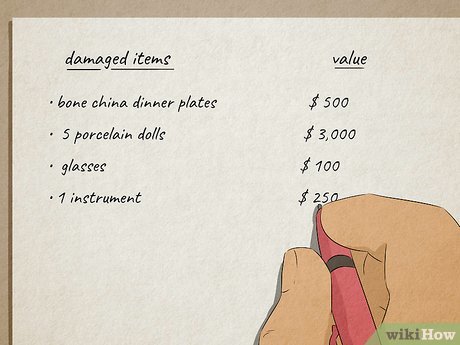
Finding damaged furniture, appliances, or personal belongings after a move can be stressful. Customers may not know what documents are required or how to explain the damage clearly.

The Moving Damage Claim Helper helps organize important claim details before contacting the moving company.

What Information Is Needed?

The tool may ask for:

  • Name of the damaged item
  • Description of the damage
  • Photos of the item
  • Estimated item value
  • Purchase receipt or proof of value
  • Moving contract or bill of lading
  • Date the mover was notified
  • Insurance or valuation coverage

Providing complete information can make the claim easier to review.

Important evidence includes:

  • Clear photos from different angles
  • Photos of the item before the move, when available
  • Purchase receipts or proof of value
  • Moving contract or bill of lading
  • Inventory documents
  • Written communication with the mover
  • A clear description of the damage

Do not repair or discard the damaged item before the mover has reviewed the claim.

Benefits of the Moving Damage Claim Helper

1. Organizes Important Details

The tool keeps damage information, evidence, and moving documents together in one place.

2. Checks Claim Readiness

Customers can see whether important photos, receipts, or documents are missing before submitting the claim.

3. Creates a Clear Claim Message

The tool helps prepare a simple message that customers can send to the moving company.

4. Reduces Claim Delays

Submitting complete and accurate information may help prevent unnecessary delays.

What to Do After Finding Moving Damage

Follow these steps:

  • Photograph the damaged item immediately
  • Check the moving inventory
  • Find the bill of lading and receipts
  • Notify the moving company in writing
  • Keep copies of emails and messages
  • Review your valuation or insurance coverage
  • Ask the mover about its official claim procedure
  • Submit all required documents before the deadline

Avoid relying only on a phone conversation. Written communication creates a useful record of the claim.

Is the Readiness Score a Claim Approval?

No. The readiness score only shows whether the information entered appears complete.

It does not guarantee that the moving company or insurance provider will approve the claim. The final decision depends on the moving agreement, available evidence, valuation coverage, and the mover’s official claim process.

Final Thoughts

The Moving Damage Claim Helper gives customers a simple way to organize evidence after belongings are damaged during a move.

Clear photos, receipts, moving documents, and written notification can make the claim easier to explain. Customers should still follow the moving company’s official procedure and submit all required information on time.

Use the MoverRankings Moving Damage Claim Helper to check your claim readiness and prepare a clear message for the moving company.

Moving Smart Calculator: Estimate Your Moving Costs Easily

Planning a move can be difficult when you are unsure how much it will cost. The Moving Smart Calculator helps customers estimate their moving expenses before contacting a moving company.

By entering a few basic details, users can get a quick estimate and prepare a more realistic moving budget.

What Is a Moving Smart Calculator?

A Moving Smart Calculator is an online tool that estimates the possible cost of a local or long-distance move.

The calculator may consider:

  • Moving distance
  • Weight of belongings
  • Home or truck size
  • Packing requirements
  • Move date
  • Stairs and elevators
  • Long carrying distance
  • Additional moving services

The result provides an approximate cost that customers can use for early planning.

Benefits of Using a Moving Calculator

1. Provides an Instant Estimate

Customers can receive an estimated moving cost in seconds without waiting for a mover to visit their home.

2. Helps Create a Moving Budget

The estimate helps customers plan for transportation, packing, storage, insurance, and other moving expenses.

3. Makes Comparing Movers Easier

Customers can compare the calculator result with written quotes from different moving companies.

4. Shows What Affects Moving Costs

The calculator helps users understand how distance, weight, packing, and access conditions can increase the final price.

How to Use the Moving Smart Calculator

To calculate your moving cost:

  • Enter the pickup and delivery locations
  • Select your moving date
  • Add the approximate weight of your belongings
  • Choose the correct home or truck size
  • Select whether packing is required
  • Include stairs, elevators, or long-carry conditions
  • Review the estimated cost

Providing accurate information will help produce a more useful estimate.

Is the Estimate the Final Moving Price?

The calculator provides an approximate cost and should not be treated as a final moving quote.

The actual price may change because of:

  • Additional belongings
  • Special handling requirements
  • Difficult property access
  • Packing materials
  • Storage services
  • Moving-season demand
  • Changes to the moving date

Always request a detailed written estimate from the moving company before booking.

Final Thoughts

The Moving Smart Calculator is a useful starting point for customers who want to understand their possible moving expenses.

It can help you prepare a budget, compare moving companies, and identify the services you may need. For the most accurate price, provide complete information and confirm the final charges directly with a licensed mover.

Use the MoverRankings Moving Smart Calculator to estimate your moving cost and begin planning your relocation with greater confidence.