Moving antiques safely requires careful planning, proper packing materials, and often the help of professional antique furniture movers. Unlike modern furniture, antiques are fragile, irreplaceable, and often extremely valuable. Whether you are relocating across town or planning a long-distance move, understanding how to move antiques safely can prevent costly damage and preserve your treasured heirlooms for generations. Many people underestimate the risks involved in moving antique furniture, especially pieces with delicate wood finishes, intricate carvings, glass panels, or aged joints that may have weakened over time.
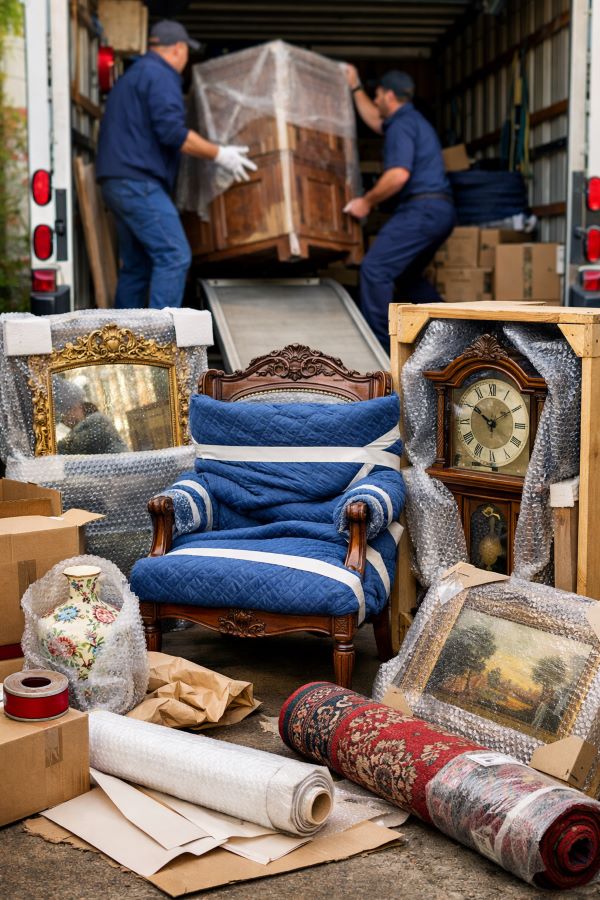
Before packing antiques for moving, it is important to assess their condition and value. High-value antiques should be photographed and documented prior to transport in case you need to file a moving insurance claim. Cleaning each piece gently with a soft microfiber cloth removes dust that could scratch surfaces during wrapping. Avoid harsh chemicals, as older finishes are sensitive and can easily be damaged. When possible, carefully disassemble antique furniture by removing table legs, mirrors, shelves, or detachable components. Wrapping each piece separately reduces stress on fragile joints and prevents cracking during transit.
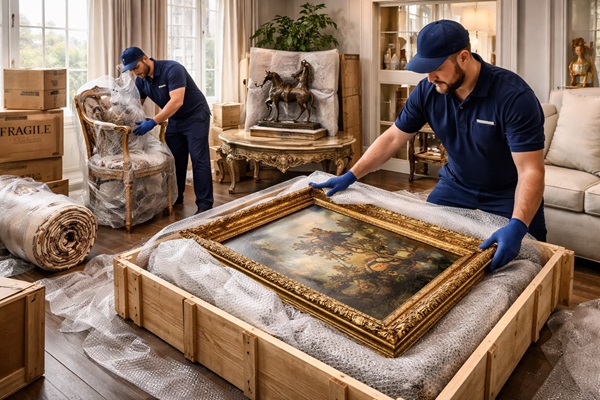
Using the correct packing materials is essential when moving fragile antiques. Acid-free packing paper should always be the first protective layer, as it prevents discoloration and surface damage. Bubble wrap can be added for cushioning, but it should never be placed directly against delicate finishes without a protective barrier. Thick moving blankets, foam padding, and corner protectors add an extra layer of security. For extremely valuable items, custom crating is often recommended by professional antique movers, especially for long-distance or interstate relocations. Avoid using plastic wrap tightly against wood surfaces for extended periods, as trapped moisture can damage antique finishes.
Proper loading techniques are just as important as packing. Antique furniture should never be stacked under heavy items or placed where it can shift inside the moving truck. Secure pieces upright and use straps to minimize movement. Climate control is another factor to consider when moving antiques safely. Extreme heat, cold, or humidity fluctuations can cause wood to expand, contract, or crack. For valuable collections, climate-controlled moving trucks or storage units may be worth the investment.
Hiring experienced antique furniture movers can significantly reduce risk. Professional moving companies trained in handling antiques understand how to protect delicate surfaces, navigate tight spaces, and transport high-value items securely. They also offer valuation coverage options that provide financial protection if damage occurs. While it may cost more than a standard move, the peace of mind and protection often outweigh the expense when relocating priceless antiques.
Learning how to move antiques safely ultimately comes down to preparation, proper materials, and careful handling. Whether you choose a DIY approach or hire professional movers, taking the time to protect your antique furniture, artwork, and collectibles ensures they arrive at your new home in the same condition they left. When dealing with fragile antiques, caution is not optional—it is essential.